
Safaris in Kenya

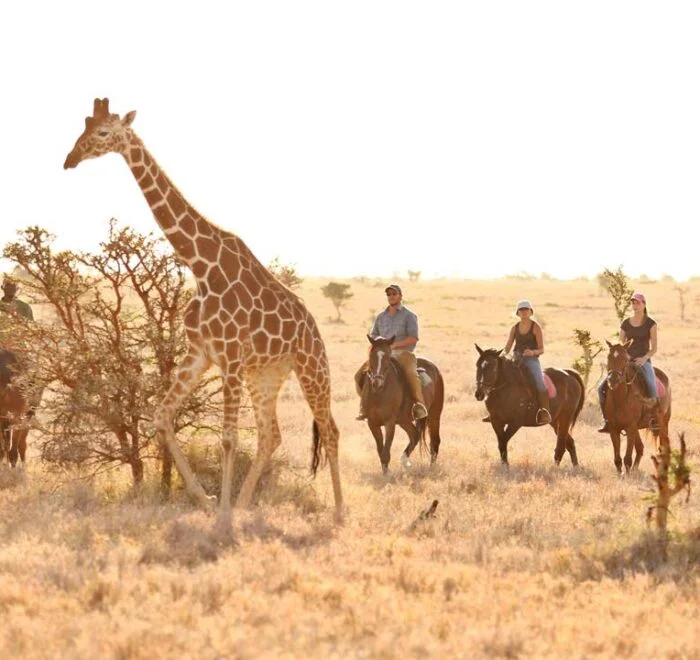
Kenya, located on the equator, is a premier East African safari destination renowned for its expansive game-filled plains, ancient cultures, and breathtaking landscapes. With 56 national parks and reserves, Kenya offers diverse natural beauty, including the iconic Masai Mara, where the Great Migration peaks between August and October. The capital, Nairobi, features notable hotels and restaurants, serving as a gateway to the country’s wildlife treasures. Kenya also boasts Amboseli’s giant elephant herds near Mt. Kilimanjaro, savannah plains with acacia trees, the Great Rift Valley, and a picturesque coastline along the Indian Ocean. Its volcanic landscapes, like the Chyulu Hills, further enhance its allure.

Overview

Explore Safaris in Kenya

Featured Image

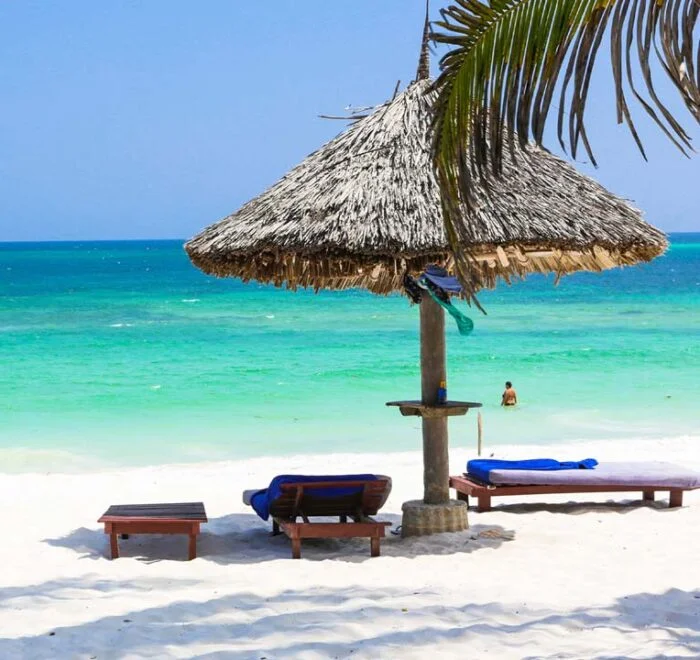
Kenya is scenery that moves the soul, from endless savannah to palm-fringed Indian coastline beaded with dreamy white beaches, majestic snow-capped mountains, to vast lakes formed by the Great Rift Valley. All this defines part of the major tourist attractions in Kenya.

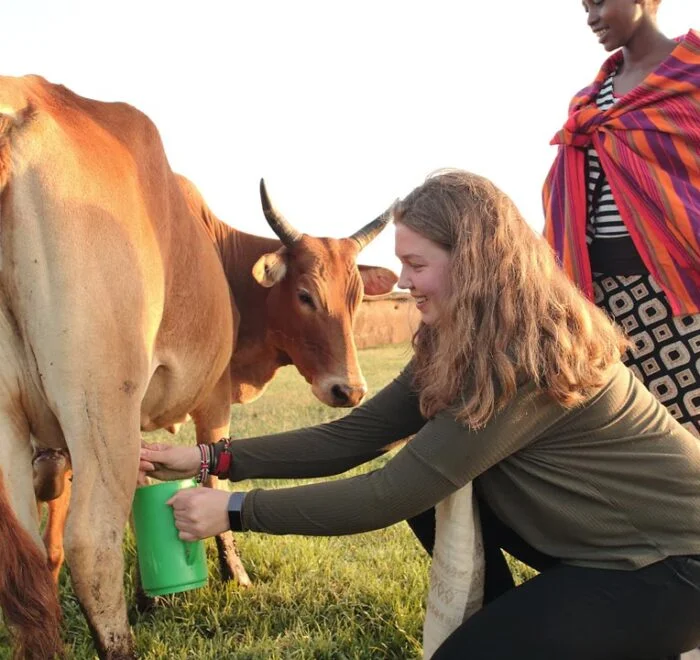
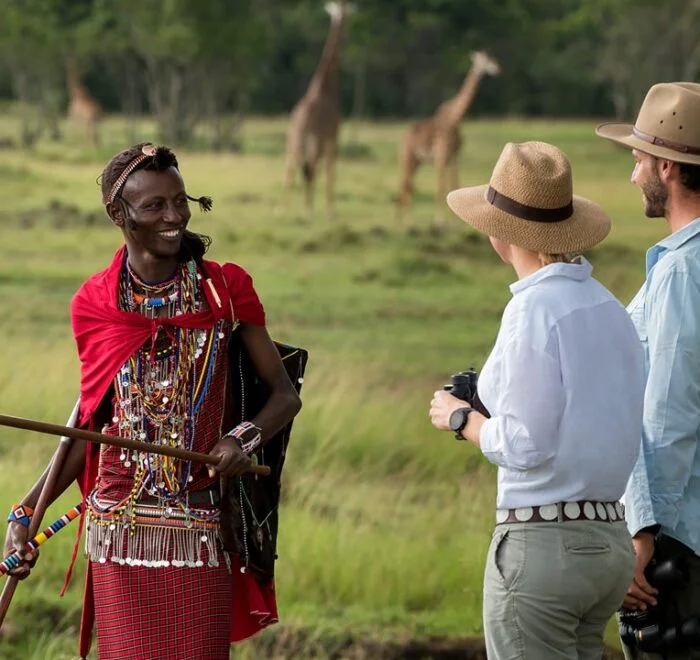
It is a land where ancient rustic ways of life gel delicately with a booming modern economy. The tribal cultures of the Maasai, Swahili and Turkana peoples beautifully speak to the birth of a continent. Kenya pioneered conservation with tourism to sustainably preserve endangered species, including the black rhino.

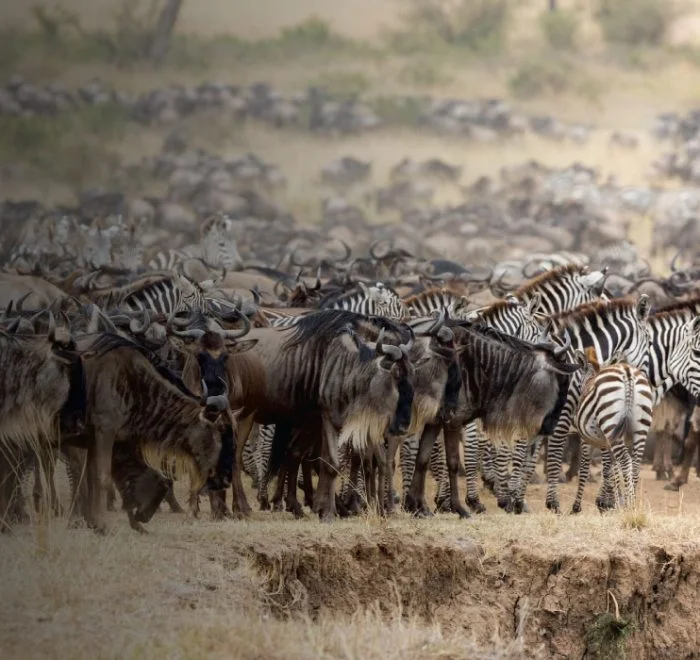
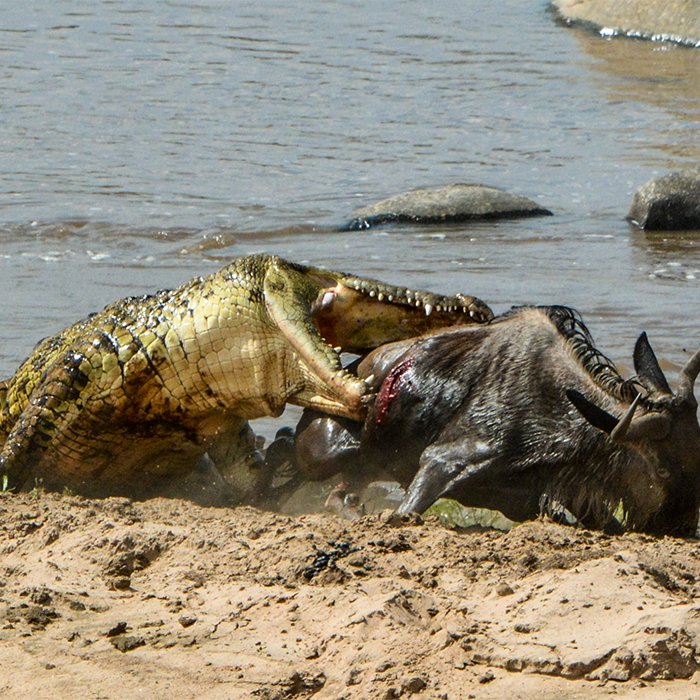
Kenya is the epicentre of the annual Great Migration, one of nature’s most stirring spectacles. It is safari sunsets and paradise beaches, historic cities and colourful villages. Kenya is where you come to answer the call of the wild.

On your way in or out of Kenya, experience the exciting urban subcultural scene in Nairobi composed of colourfully pimped commuter taxis called matatus. Create timeless memories by attending creative arts festivals, raiding craft markets or exploring the nightlife in the Kenyan capital and other major tourist attractions in Kenya.
Planning

Best Time to Visit

Any month of the year is good for a Kenya safari holiday, as spectacular wildlife viewing at major tourist attractions in Kenya is available at all times. While Kenya doesn’t have a defined summer or winter due to its proximity to the equator, it has a wet and dry season, which might impact activities.

Dry Season
Kenya’s dry season runs from June to October, and the climate is relatively cooler then; 23°C/73°F at higher altitudes, such as the Masai Mara, and 28°C/82°F at lower altitudes, such as the coastal areas.

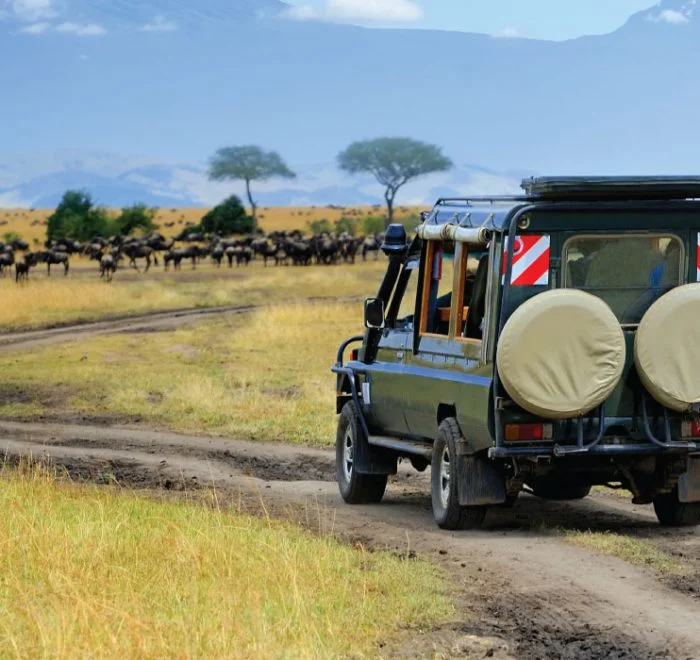
The dry season is the best time for wildlife viewing in Kenya, with the wildebeest normally arriving in the Maasai Mara from late July and remaining until October. Many popular parks and other major tourist attractions in Kenya are crowded during this period, as the bushes are less dense, enhancing visibility and accessibility. The weather is also more pleasant. Expect clear, sunny skies, chilly mornings and lower levels of humidity. It’s advisable to pack some warm clothing.

Wet Season
The wet season in Kenya normally runs from November to May. Daytime temperatures range typically between 24°C/75°F and 27°C/81°F, but at lower altitudes, they hover around 30°C/86°F.

The humidity can be intense between December and April, especially on the coast. Higher altitude destinations might necessitate the wearing of warm clothing. Some parks and accommodations close up during the heavier rains.

Not all is gloom and doom around this time; the landscape is much greener and more attractive, there are many migratory bird species around, and one gets to see plenty of cute newborn animals. It’s also worth noting that accommodation rates and flights are noticeably lower at most major tourist attractions in Kenya.