
Safaris in Rwanda

Rwanda, known as the “land of a thousand hills,” has transformed into a peaceful, vibrant country with stunning emerald-green hills and dramatic mountains. Renowned for housing nearly half of the world’s mountain gorillas, Rwanda offers unforgettable gorilla tracking experiences. Its rain forested mountains also feature volcanoes, diverse primates, and rich birdlife, all easily reachable from the capital, Kigali. Beyond its natural beauty, Rwanda boasts a rich cultural and historical heritage, offering unique experiences through its vibrant cities, villages, and landmarks, despite its past.

Overview

Explore Safaris in Rwanda

Featured Image

The Land of a Thousand Hills, Rwanda is one of the smallest countries in Africa, but in terms of biodiversity, culture and scenery, it punches well above its weight. Having emerged from the darkness of the 1990s, when ethnic tensions erupted into a genocide that saw some 800,000 people, predominantly Tutsis, killed in just 100 days, Rwanda is thriving again as a tourism destination.

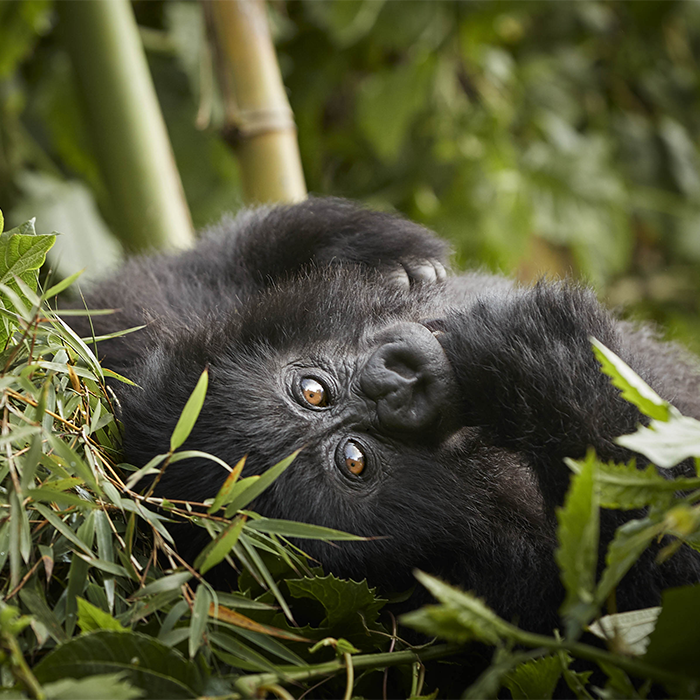
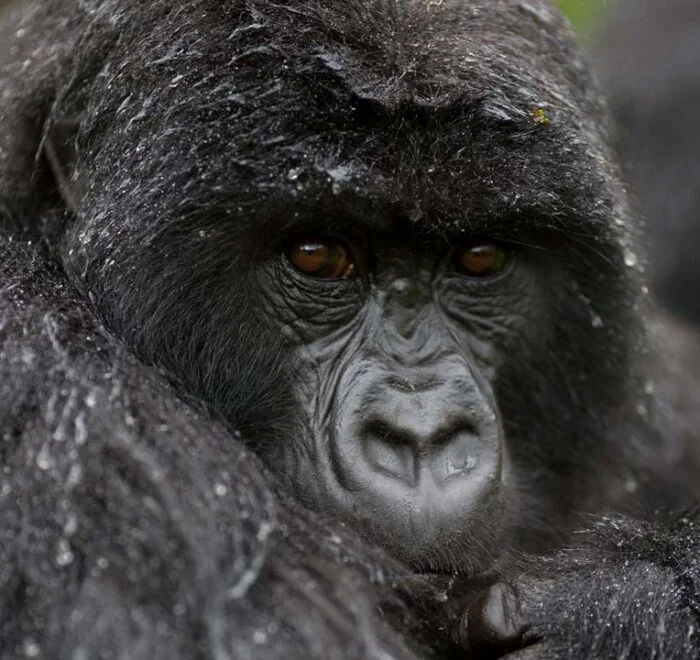
Much of Rwanda’s appeal derives from the small population of endangered mountain gorillas that live in the bamboo forests of Volcanoes National Park, with gorilla trekking tours a vital source of income for local communities and conservation projects alike. You can also see the Big Five in Akagera National Park. This park is another one of the major tourist attractions in Rwanda.

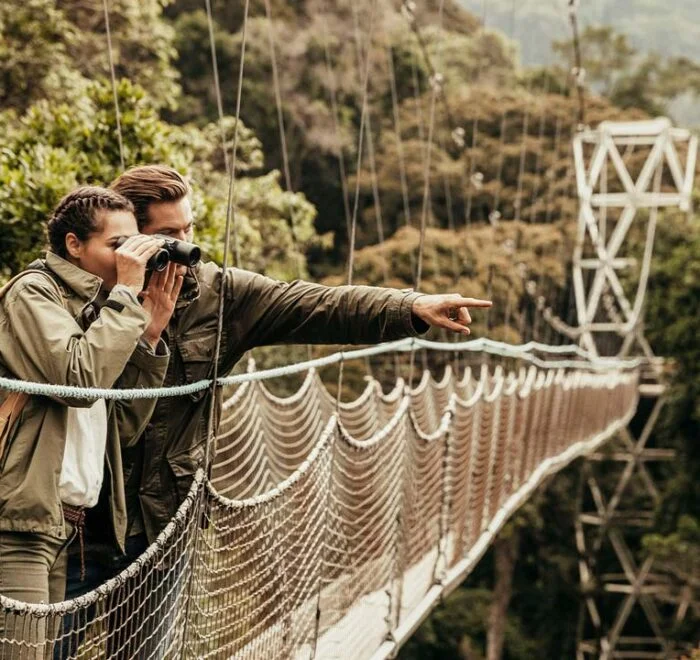
Rwanda is landlocked but dotted with many picturesque lakes, of which Lake Kivu, spanning almost the entire western border and famed for the beauty of its beaches, is the largest. The lake is lined with tea and coffee plantations, and at its southern tip, Nyungwe Forest National Park, home to primates, is another major tourist attraction in Rwanda.

A nostalgic trip to the historical Kigali Genocide Memorial gives a sense of purpose and personal responsibility towards fostering compassion and coexistence.

A trip to the communities is a heart-warming opportunity to appreciate the rich cultural heritage of the people of Rwanda; through music, dance (the Intore dance of heroes) and traditional cuisines.
What to see

Major Tourist Attractions

Planning

Best Time to Visit

Rwanda’s climate is predictably moderate and warm. One is likely to encounter heavy and constant rainfall between March and May. Navigation, especially in the parks and other major tourist attractions in Rwanda, can be difficult due to heavy rain and muddy roads. Fortunately, it’s much easier to acquire mountain gorilla permits in Volcanoes National Park during the rainy season. This is also a good period for chimpanzee tracking holidays in Nyungwe Forest National Park, as fruit is abundant during the rains, and large groups of these primates can often be seen congregating at ground level.

May – October is considered the optimum time for wildlife viewing, and this is when accommodation and flights tend to be most expensive. If you want to take a mountain gorilla trekking holiday, it is a good idea to book in advance to ensure you can get a permit. During the dry season, the undergrowth in Akagera National Park is sparse, meaning the animals can be seen far more easily. From October to November, the scenery is at its most magnificently green. Again, gorilla trekking in the rainforest can be arduous due to rain and mud, although still highly rewarding.

December to February is also good for gorilla viewing and other Rwanda wildlife vacations, resulting in price hikes.